
- BMW i3: Why This Iconic Electric Car Still Shapes the Future of Urban Mobility
- The Rise and Evolution of the BMW i3
- BMW i3 Specifications Snapshot
- What Made BMW i3 Unique?
- BMW i3 vs Modern EVs (2026 Comparison)
- Expert Analysis: Why BMW i3 Was Ahead of Its Time
- Is BMW i3 Still Worth Buying in 2026?
- Why Was BMW i3 Discontinued?
- Who Should Consider a BMW i3 Today?
- Limitations You Should Know
- Why This Matters
- What Happens Next: Future Impact of BMW i3 Philosophy
- Conclusion
- FAQs
BMW i3: Why This Iconic Electric Car Still Shapes the Future of Urban Mobility
BMW i3 is one of the most influential electric vehicles ever built, and even in 2026, it continues to shape how cities, automakers, and consumers approach sustainable mobility. As EV adoption accelerates globally and urban regulations tighten, the relevance of the BMW i3 extends beyond its production years, impacting buyers, policymakers, and the future of city transport.
The Rise and Evolution of the BMW i3
Launched in 2013 by BMW, the BMW i3 was not just another electric car—it was a radical rethink of urban mobility. It introduced a purpose-built EV architecture, lightweight construction, and sustainability-driven design at a time when most manufacturers were still experimenting.
By the time production ended in 2022, the i3 had established itself as a benchmark for compact premium EVs, particularly in European urban markets.
Key Timeline
| Year | Milestone |
|---|---|
| 2013 | BMW i3 global debut |
| 2016 | Battery upgrade (33 kWh) |
| 2019 | 42.2 kWh version introduced |
| 2022 | Production discontinued |
| 2026 | Strong presence in used EV market |
BMW i3 Specifications Snapshot
| Feature | Details |
|---|---|
| Powertrain | Fully electric (RWD) |
| Range | Up to ~310 km (WLTP) |
| Battery | 42.2 kWh |
| Body | Carbon-fiber reinforced plastic |
| Charging | Fast charging supported |
| USP | Lightweight urban EV design |
What Made BMW i3 Unique?
The BMW i3 was engineered from the ground up as an electric vehicle, which gave it a structural and efficiency advantage over converted ICE models.
Carbon Fiber Construction
The use of CFRP (Carbon Fiber Reinforced Plastic) made the i3 significantly lighter than conventional vehicles, directly improving efficiency and performance.
Sustainable Interior Materials
BMW integrated recycled plastics, natural fibers, and responsibly sourced wood, setting early benchmarks for eco-conscious interiors.
Urban-Focused Design
Its compact footprint, high seating position, and tight turning radius made it exceptionally practical for dense city environments.
BMW i3 vs Modern EVs (2026 Comparison)
| Feature | BMW i3 | Modern EVs (2026) |
|---|---|---|
| Range | Moderate | High (400–600 km) |
| Technology | Basic | Advanced ADAS, AI features |
| Pricing | Affordable (used) | Higher (new models) |
| Build Philosophy | Lightweight | Larger, heavier vehicles |
| Ideal Usage | City driving | Mixed usage |
Expert Analysis: Why BMW i3 Was Ahead of Its Time
The BMW i3 may not have dominated global sales, but its strategic importance is undeniable.
It validated the idea that electric vehicles could be both premium and sustainable. It also influenced BMW’s later EV lineup, including models built on scalable electric platforms.
More importantly, the i3 demonstrated that efficiency through lightweight engineering can be as impactful as increasing battery size—a concept that is regaining relevance as cities push for smaller, cleaner vehicles.
Is BMW i3 Still Worth Buying in 2026?
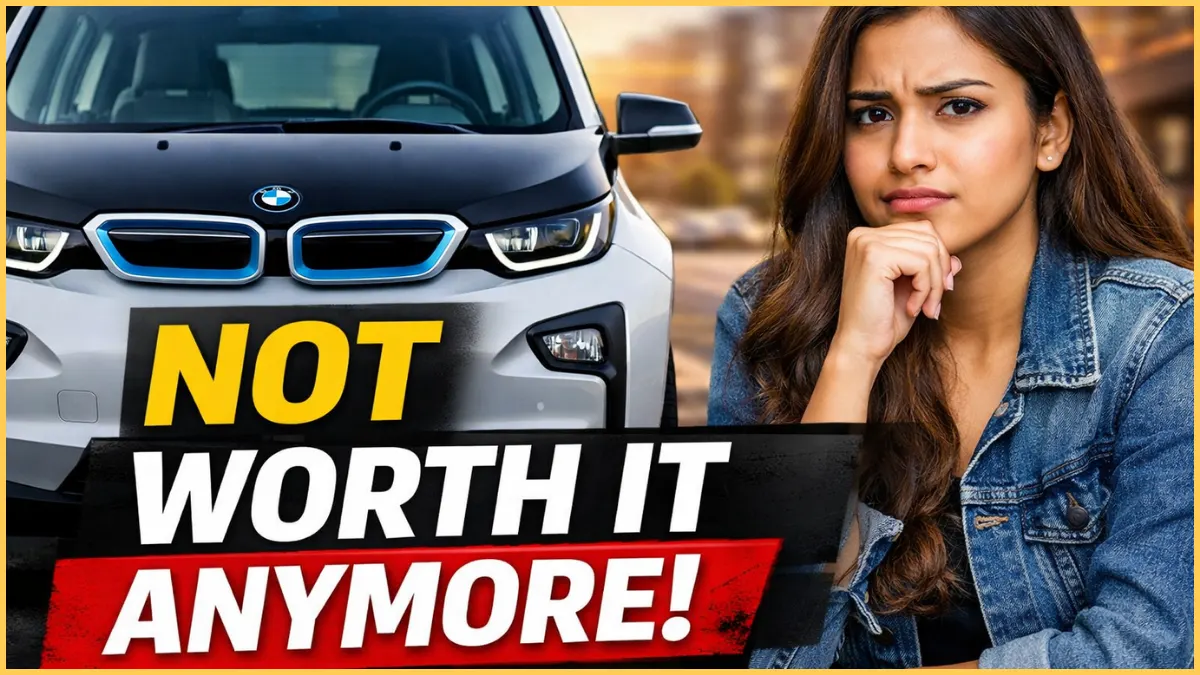
The BMW i3 remains a practical and premium choice for urban users in 2026. Its compact design, efficient powertrain, and lower used-market pricing make it attractive for city commuting. However, limited range and dated infotainment reduce its appeal for long-distance or tech-focused buyers.
Why Was BMW i3 Discontinued?
BMW discontinued the i3 in 2022 due to changing market dynamics. Consumer demand shifted toward larger electric SUVs and crossovers, while newer EV platforms offered better scalability, longer range, and improved technology integration.
Who Should Consider a BMW i3 Today?
The BMW i3 is best suited for urban commuters, environmentally conscious drivers, and buyers entering the EV segment at a lower cost. It performs particularly well in short daily commutes and congested city conditions.
Limitations You Should Know
Despite its innovation, the BMW i3 has certain limitations:
Limited range compared to newer EVs
Rear-hinged doors can reduce convenience
Compact luggage space
Outdated infotainment compared to current standards
Why This Matters
The BMW i3 represents a critical shift in automotive thinking.
With rising fuel costs, stricter emission norms, and increasing urban congestion, the industry is revisiting many of the principles introduced by the i3:
Compact EVs designed specifically for cities
Sustainable manufacturing practices
Efficiency-focused engineering
These factors are becoming increasingly relevant in 2026 as governments and cities accelerate the transition to electric mobility.
What Happens Next: Future Impact of BMW i3 Philosophy
The long-term influence of the BMW i3 is likely to grow rather than fade.
Future EV development is expected to include:
Smaller, lightweight electric vehicles optimized for cities
Wider adoption of sustainable materials
Platform-level innovation inspired by early EV pioneers
BMW itself is expected to incorporate lessons from the i3 into next-generation urban mobility solutions over the coming years.
Conclusion
The i3 may no longer be in production, but its influence continues to shape the electric vehicle landscape. It challenged traditional automotive design, introduced sustainable innovation, and proved that EVs could be both practical and premium.
In 2026, it stands not as an outdated product, but as a forward-thinking concept that arrived ahead of its time.
Click to Read More: Renault’s Duster Relaunch Could Disrupt the SUV Market Again
FAQs
Is i3 a good car in 2026?
Yes, it is a strong option for city driving due to its efficiency and compact size, though not ideal for long-distance travel.
What is the real-world range of i3?
Typically between 200–260 km depending on usage and battery condition.
Is i3 expensive to maintain?
Maintenance costs are relatively low, but specialized parts can be expensive.
Does i3 support fast charging?
Yes, it supports DC fast charging suitable for urban usage.
Why was i3 expensive at launch?
Its cost was driven by advanced materials like carbon fiber and innovative engineering.