
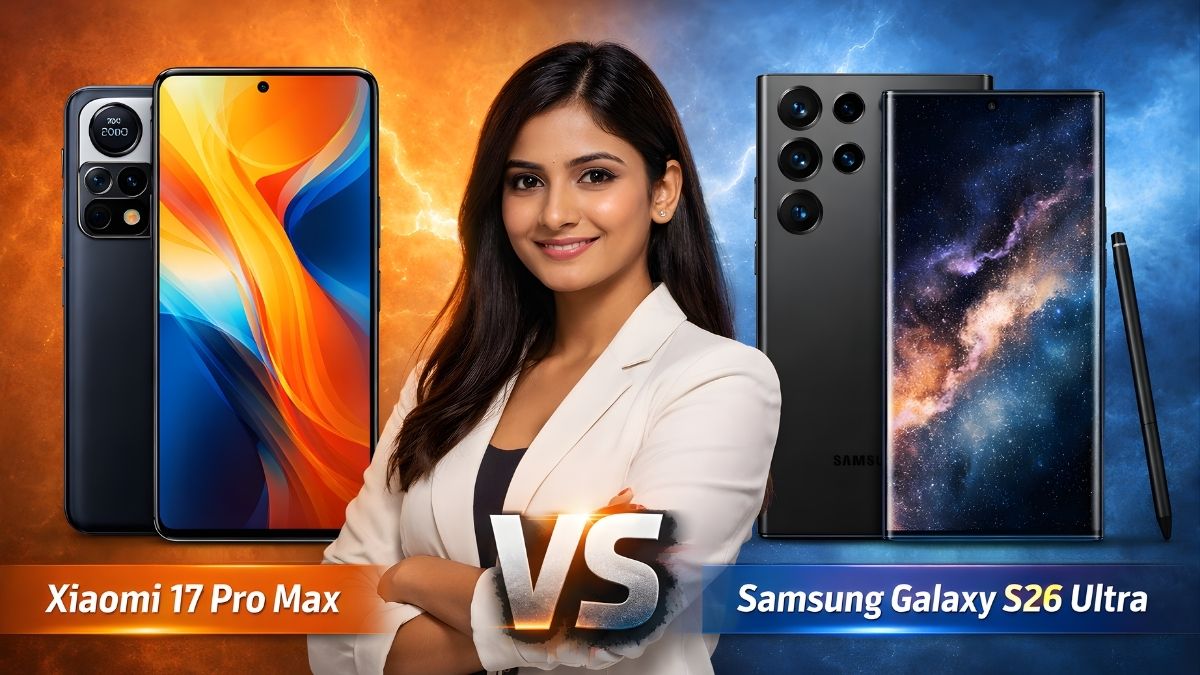

The Xiaomi 17 Pro Max vs Samsung Galaxy S26 Ultra comparison defines the cutting-edge smartphone race in 2026. With both brands pushing the limits of display, performance, and camera technology, this battle matters to early adopters, tech enthusiasts, and high-end smartphone buyers aiming for future-proof devices. The stakes are higher than ever, as global market trends show a shift toward AI-enhanced photography and hyper-fast 5G processing.
Xiaomi 17 Pro Max vs Samsung Galaxy S26 Ultra: Key Differences at a Glance
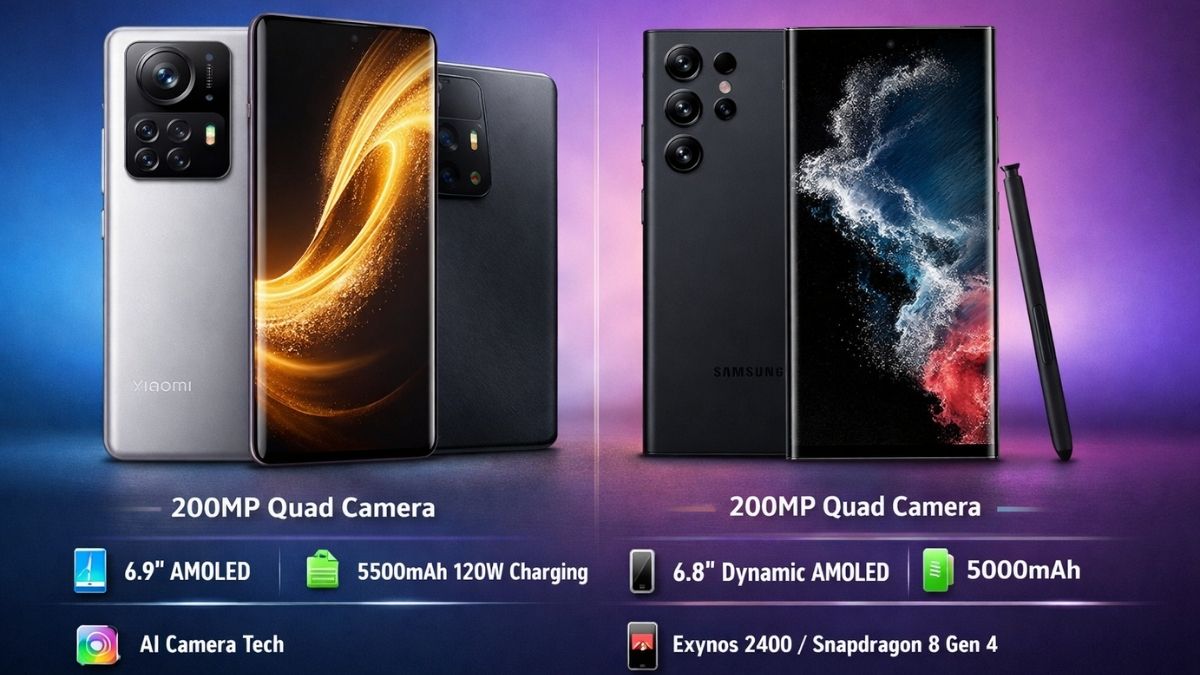
| Feature | Xiaomi 17 Pro Max | Samsung Galaxy S26 Ultra |
|---|---|---|
| Display | 6.9″ AMOLED, 3200×1440, 120Hz | 6.8″ Dynamic AMOLED, 3200×1440, 120Hz |
| Processor | Snapdragon 8 Gen 4+ | Exynos 2400 / Snapdragon 8 Gen 4 (market dependent) |
| RAM | 12–16GB LPDDR5X | 12–16GB LPDDR5X |
| Storage | 256/512GB | 256/512GB |
| Rear Camera | Quad: 200MP + 50MP + 12MP + 10MP | Quad: 200MP + 50MP + 12MP + 12MP |
| Front Camera | 50MP | 40MP |
| Battery | 5500mAh, 120W fast charge | 5000mAh, 100W fast charge |
| OS | MIUI 16 (Android 14) | One UI 6 (Android 14) |
| Price (India) | ₹99,999 onwards | ₹1,09,999 onwards |
Data reflects 2026 launch specifications.
Performance and Speed: Which Reigns Supreme?
The Xiaomi 17 Pro Max vs Samsung Galaxy S26 Ultra battle is a processor duel. Xiaomi’s Snapdragon 8 Gen 4+ delivers consistent benchmark dominance in single-core performance and AI processing, especially for gaming and multitasking. Samsung’s Exynos 2400 (or Snapdragon variant in select regions) offers comparable speed but shines in sustained thermals and battery efficiency. For users prioritizing pure speed, Xiaomi edges ahead, while Samsung balances performance with longevity.
Camera Technology Breakdown
Both devices redefine smartphone photography. Xiaomi’s 200MP main sensor and enhanced AI algorithms capture sharper detail in low-light conditions, while Samsung leverages its 200MP sensor with advanced computational photography for color-accurate, natural shots. Video creators may prefer Samsung for its cinematic stabilization, but Xiaomi offers raw versatility with multiple AI-driven modes.
Display and Design: Premium Visual Experience
Xiaomi 17 Pro Max: 6.9-inch AMOLED with 120Hz adaptive refresh rate, perfect for high-frame gaming and content consumption.
Samsung Galaxy S26 Ultra: 6.8-inch Dynamic AMOLED with HDR10+ support, featuring slightly better peak brightness and color calibration.
Ergonomics slightly favor Samsung due to its thinner bezels and rounded edges, while Xiaomi maximizes screen real estate.
Battery, Charging, and Connectivity
Xiaomi offers a larger 5500mAh battery and 120W wired fast charging, giving nearly full charge in 15–20 minutes. Samsung provides a slightly smaller battery but offers robust wireless charging and reverse wireless power share. Both devices support 5G mmWave bands and Wi-Fi 7, ensuring connectivity for the next two product cycles.
Why This Matters
The Xiaomi 17 Pro Max vs Samsung Galaxy S26 Ultra contest signals broader industry trends:
AI-Centric Cameras: Both flagships showcase the importance of on-device AI for photography and video.
Next-Gen Performance: Snapdragon 8 Gen 4+ and Exynos 2400 exemplify the evolution of mobile processors for gaming and professional tasks.
Global Market Shift: Xiaomi’s aggressive pricing strategy versus Samsung’s premium positioning impacts adoption in emerging markets.
What Happens Next / Future Impact
Looking ahead, this comparison predicts:
Faster adoption of AI-assisted imaging in mid-tier devices.
Samsung refining thermal and energy efficiency in Exynos variants.
Xiaomi continuing aggressive hardware-led strategies, potentially redefining flagship value.
Conclusion
Choosing between Xiaomi 17 Pro Max vs Samsung Galaxy S26 Ultra depends on priorities: raw performance and value favor Xiaomi, while design finesse and video-centric camera features favor Samsung. Both devices are future-proof 2026 investments, but the subtle differences will determine brand loyalty among enthusiasts and early adopters.
Click to Find More: Xiaomi 17 Pro Max 2026: Ultimate Flagship Performance & AI Camera
FAQs:
Q1: Which phone has better battery life?
Xiaomi 17 Pro Max offers a larger 5500mAh battery and faster 120W charging, giving an edge in rapid charging sessions, while Samsung balances capacity with thermal efficiency.
Q2: Can both phones handle 5G mmWave?
Yes, both support 5G mmWave and sub-6GHz bands for next-gen connectivity.
Q3: Which device has superior low-light photography?
Xiaomi’s AI-enhanced 200MP main sensor produces more detailed low-light shots, whereas Samsung provides more color-accurate natural images.
Q4: Are these phones good for gaming?
Both excel at gaming, but Xiaomi 17 Pro Max has slight edge in benchmark performance due to Snapdragon 8 Gen 4+.
Q5: Which is better for video recording?
Samsung Galaxy S26 Ultra provides cinematic video stabilization and HDR10+ recording, making it ideal for creators.
Q6: Will Xiaomi 17 Pro Max be more affordable?
Yes, Xiaomi usually undercuts Samsung by 5–10% in launch pricing, offering better value for performance.
Q7: Do they support wireless charging?
Samsung supports advanced wireless charging and reverse wireless charging. Xiaomi supports fast wired charging primarily.
Q8: Which phone is more future-proof?
Both are designed for 2026 and beyond, but Xiaomi’s aggressive hardware may extend lifespan for gaming and AI applications.




3 thoughts on “Xiaomi 17 Pro Max vs Samsung Galaxy S26 Ultra: Ultimate 2026 Flagship Showdown”