

- Frozen From Coast to Coast: Winter Storm Fern Disrupts Millions Across the U.S.
- How Winter Storm Fern Developed
- Damaging Ice Paralyzes the Southern States
- Heavy Snow Blankets Texas and the Central Plains
- Snow and Wind Intensify Across the Midwest and Great Lakes
- Northeast Faces Significant Snowfall and Coastal Impacts
- Widespread Power Outages and Infrastructure Strain
- Economic and Community Impact
- Lessons From Winter Storm Fern
- Looking Ahead
- FAQs
Frozen From Coast to Coast: Winter Storm Fern Disrupts Millions Across the U.S.
Winter Storm Fern has emerged as one of the most disruptive and wide-reaching cold-season systems to affect the United States in recent years. Stretching thousands of miles from the southern Plains to the Northeast, this sprawling storm system has delivered a dangerous mix of ice, snow, and bitter cold that has impacted millions of residents, disrupted travel, and placed enormous strain on infrastructure.
What makes Winter Storm Fern especially notable is not just its size, but the range of hazards it produced across different regions. While southern states battled crippling ice accumulations and power outages, communities farther north braced for heavy snowfall, whiteout conditions, and life-threatening cold. The storm served as a stark reminder that winter weather does not respect regional boundaries and that preparation is essential, regardless of geography.
How Winter Storm Fern Developed
Meteorologists began tracking the origins of Winter Storm Fern days before it fully intensified. The system developed as a strong upper-level disturbance moved out of the Rocky Mountains and collided with warm, moisture-rich air flowing northward from the Gulf of Mexico. This clash of air masses created the perfect environment for a powerful winter storm to rapidly organize and expand.
As the system strengthened, a sharp temperature gradient formed across the central and eastern United States. Areas south of the storm’s track experienced freezing rain and sleet as warm air overran colder surface temperatures, while colder regions to the north saw heavy snow develop. Strong winds further intensified the storm’s impacts, increasing the risk of blowing snow, downed power lines, and hazardous travel conditions.
Damaging Ice Paralyzes the Southern States
One of the most dangerous aspects of Winter Storm Fern was the widespread ice storm that affected large portions of the South. States that rarely experience severe winter weather, including parts of Texas, Arkansas, Mississippi, Alabama, and Tennessee, found themselves coated in layers of freezing rain.
Ice accumulations of just a quarter inch can be enough to cause serious problems, but Winter Storm Fern delivered significantly higher totals in some locations. Trees buckled under the weight of ice, snapping limbs and toppling onto roads, vehicles, and homes. Power lines sagged and collapsed, leaving hundreds of thousands of residents without electricity during freezing temperatures.
Emergency services in many southern communities were stretched thin as roadways became impassable and response times increased. Bridges and overpasses, which freeze faster than regular roads, became especially treacherous. Officials urged residents to stay off the roads, warning that even short trips could quickly turn dangerous.
Heavy Snow Blankets Texas and the Central Plains
While ice dominated the southern edge of the storm, regions just north of the freezing rain zone experienced heavy snowfall. Portions of Texas, Oklahoma, Kansas, and Missouri saw snow totals well above seasonal averages, with some areas receiving snowfall measured in feet rather than inches.
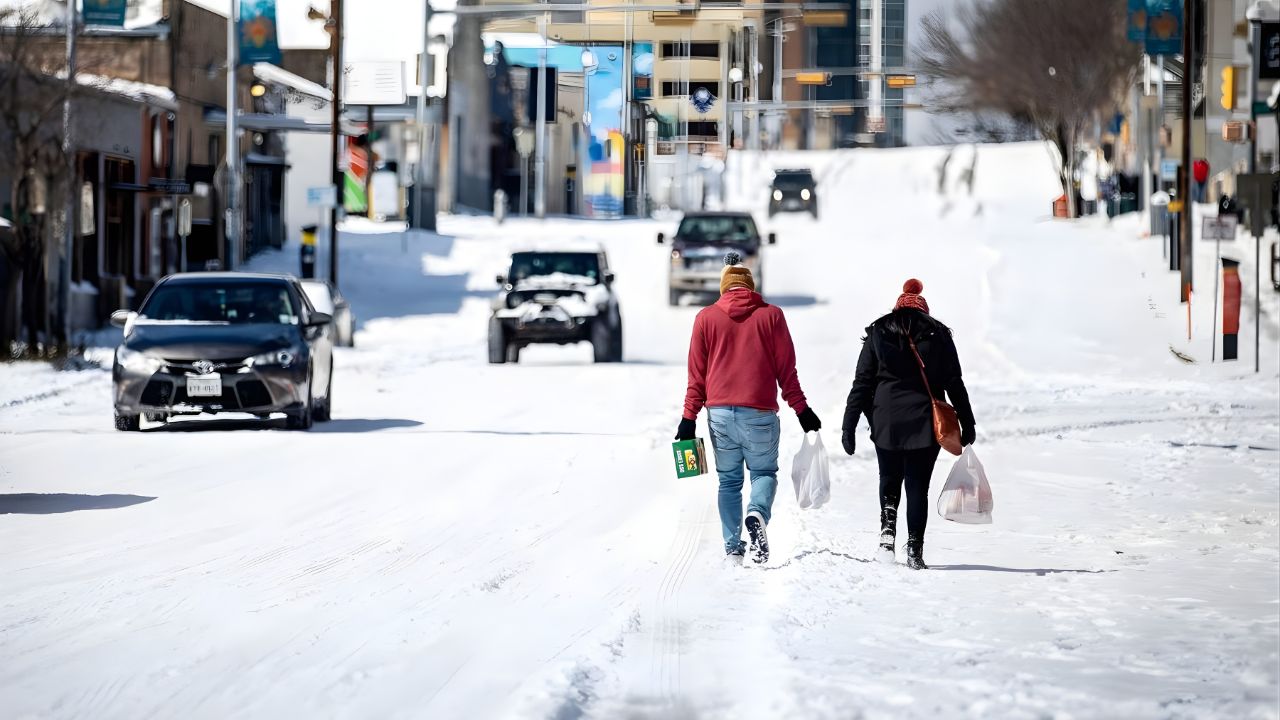
In Texas, where snow of this magnitude is relatively rare, the impacts were significant. Major highways were shut down, airports canceled hundreds of flights, and school districts closed for multiple days. Snowplows and treatment crews worked around the clock, but the sheer volume of snow combined with cold temperatures made conditions difficult to manage.
Rural communities were particularly vulnerable, as drifting snow and limited access routes left some residents temporarily isolated. Farmers and ranchers also faced challenges, with livestock exposed to harsh conditions and frozen water supplies.
Snow and Wind Intensify Across the Midwest and Great Lakes
As Winter Storm Fern continued its eastward march, the Midwest and Great Lakes regions braced for a powerful combination of heavy snow and strong winds. These conditions created frequent whiteouts, dramatically reducing visibility and making travel extremely dangerous.
Cities across Illinois, Indiana, Michigan, and Ohio reported rapid snow accumulation rates, sometimes exceeding two inches per hour at the height of the storm. Combined with wind gusts strong enough to whip snow into blinding clouds, even experienced winter drivers struggled to navigate safely.
Lake-effect snow further enhanced totals in areas downwind of the Great Lakes. Communities accustomed to snow still faced challenges due to the storm’s intensity and duration, as plowing efforts struggled to keep pace.
Northeast Faces Significant Snowfall and Coastal Impacts
By the time Winter Storm Fern reached the Northeast, it had grown into a mature and powerful system. Major metropolitan areas from Pennsylvania and New York to New England prepared for significant snowfall, bitter cold, and strong winds.
Urban centers experienced widespread travel disruptions, with commuter rail systems delayed or suspended and major airports forced to cancel or delay hundreds of flights. Snowfall totals varied by location, but many areas saw enough accumulation to paralyze daily life.
Coastal regions faced additional concerns as strong winds and low pressure contributed to minor coastal flooding and beach erosion. While the storm did not reach the intensity of a historic blizzard in some areas, its broad footprint ensured that its effects were felt across the entire region.
Widespread Power Outages and Infrastructure Strain
One of the defining consequences of Winter Storm Fern was its impact on power infrastructure. Ice in the South and heavy, wet snow in parts of the North proved especially damaging to electrical systems. Utility crews worked tirelessly, often in dangerous conditions, to restore service.
Extended power outages raised serious concerns, particularly for vulnerable populations such as the elderly, those with medical needs, and families without access to alternative heating sources. Emergency shelters were opened in several states to provide warmth and support.
Transportation infrastructure also suffered. Road damage, stranded vehicles, and delayed supply chains highlighted the economic ripple effects of a storm of this magnitude.
Economic and Community Impact
Beyond the immediate dangers, Winter Storm Fern carried a substantial economic toll. Business closures, flight cancellations, and shipping delays disrupted commerce across multiple sectors. Agriculture, retail, and manufacturing industries all felt the effects as operations slowed or halted entirely.
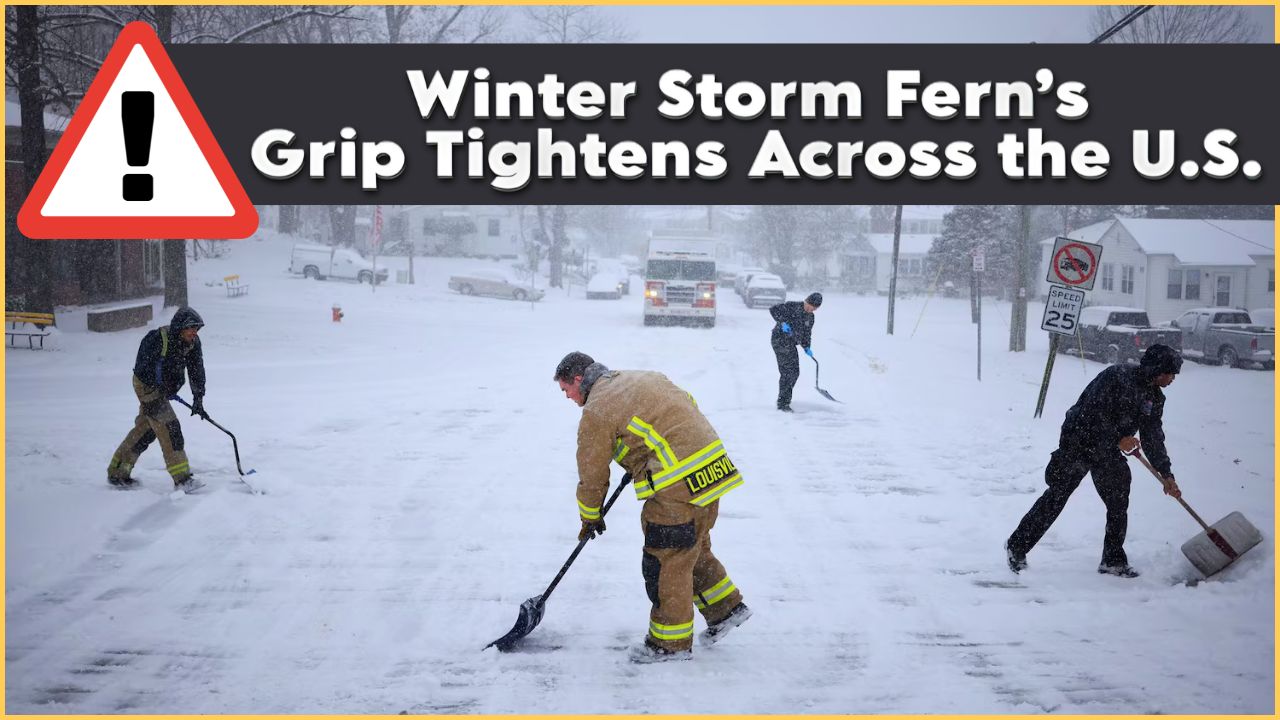
Communities, however, also demonstrated resilience. Neighbors helped clear driveways, shared generators, and checked on one another during the storm’s aftermath. Local governments and emergency responders coordinated resources to ensure public safety under challenging circumstances.
Lessons From Winter Storm Fern
Winter Storm Fern reinforced several critical lessons about winter weather preparedness. First, it highlighted the vulnerability of regions unaccustomed to severe winter conditions, particularly in the South. Infrastructure not designed for ice and snow can fail quickly under extreme stress.
Second, the storm emphasized the importance of timely communication. Accurate forecasts and early warnings played a key role in helping residents prepare, stock supplies, and avoid unnecessary travel.
Finally, the storm underscored the growing complexity of winter weather patterns. Large, multi-hazard storms like Winter Storm Fern are becoming more common, requiring coordinated planning and adaptive strategies at local, state, and federal levels.
Looking Ahead
As cleanup efforts continue and temperatures slowly moderate, Winter Storm Fern will be remembered as a powerful reminder of winter’s reach and unpredictability. From damaging ice in the South to heavy snow stretching from Texas to the Northeast, the storm left an indelible mark on communities across the nation.
Preparedness, awareness, and resilience remain the best defenses against future winter storms. While Winter Storm Fern has moved on, the lessons it left behind will shape how communities respond to the next major winter weather event.
READ MORE >>>
FAQs
Q1: What is Winter Storm Fern?
Winter Storm Fern is a large and powerful winter weather system that caused damaging ice in the southern United States and heavy snow across regions from Texas to the Northeast.
Q2: Why was Winter Storm Fern so dangerous?
The storm produced multiple hazards, including freezing rain, heavy snow, strong winds, and extreme cold, making travel dangerous and causing widespread power outages.
Q3: Which areas were most affected by ice?
Southern states such as Texas, Arkansas, Mississippi, Alabama, and Tennessee experienced the most severe ice accumulations.
Q4: Did Winter Storm Fern impact major cities?
Yes, the storm disrupted major metropolitan areas across the Midwest and Northeast, leading to flight cancellations, transit delays, and road closures.
Q5: What lessons can be learned from Winter Storm Fern?
The storm highlighted the importance of winter preparedness, reliable forecasting, and infrastructure resilience, especially in regions that rarely experience severe winter weather.

